So you’ve been using your dishwasher for a while now and have never put any thought into it before, but it’s important that you know how much salt to put in dishwasher!
Having a dishwasher is a wonderful addition to any kitchen, but that is only if it works properly. There are many things that you can do to help your dishwasher do its job, including using dishwasher salts.
You can find this salt at grocery stores, and once placed in your dishwasher, it can help with a ton of different aspects of your wash cycle, including helping with water hardness and improving your rinse cycle to eliminate those pesky watermarks.
But unlike liquid dishwasher detergent, you have to be very careful about the amounts of salt you place in your dishwasher.
So, just how much salt should you put in your dishwasher?
We will take a look at this question and several others so that you will be able to understand the benefits and processes that dishwasher salt can be helpful with.
Table of Contents
How much salt to put in Dishwasher
the amount of salt you should add to your dishwasher depends on the hardness of the water in your area.
If you live in a hard water area, you should add more salt to your dishwasher. On the other hand, if you live in a soft water area, you may not need to add as much salt.
As a general rule of thumb, you should fill the salt reservoir to the brim with salt, which should last for several washes. However, you should always check the manufacturer’s instructions for your specific dishwasher model, as the amount of salt required may vary.
What Is Dishwasher Salt?
Dishwasher salt is very different from the table salt that we all have in our kitchens. This salt is specifically designed to be used as a water softener.
Going more in-depth into what dishwasher salt is, you have to understand the difference between hard and soft water. This salt is crafted to pull the magnesium and calcium ions hard water contains out of the water.
Though it is a salt, it is important to understand you cannot swap this out with cooking salt or rock salt. The salt granule size is also important as you don’t want to use finer salt.
This type of salt is designed with larger granules, and finer salt could clog and cake, leaving the unit damaged or performing poorly.
There are many places in the world, especially throughout Europe, that dishwashers are designed with a built-in salt reservoir that you place your loose salt in.
There are many different dishwasher salt brands that you can choose from as well as salt alternatives like white vinegar that can help clean dishes.
In the end, the benefits of using salt in dishwashers are well worth investing in this product.
Why Does a dishwasher need salt
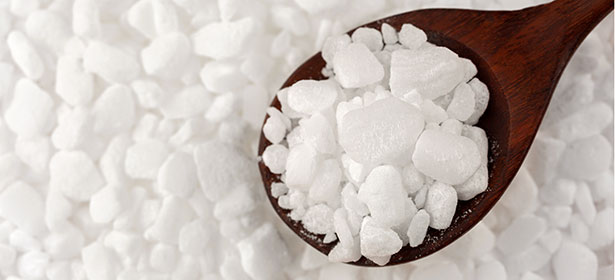
Dishwashers need salt because it helps to soften the water that is used during the wash cycle.
Hard water, which contains high levels of minerals such as calcium and magnesium, can cause limescale to build up in your dishwasher and on your dishes, leaving them looking dull and dirty.
When you add dishwasher salt to your machine, it helps to regenerate the resin beads in the water softener unit. The resin beads are responsible for removing the minerals from the water, and over time they become coated with calcium and magnesium ions.
When you add salt to the machine, it helps to replace these ions with sodium ions, which are then flushed out of the machine during the wash cycle.
Using dishwasher salt can also help to improve the performance of your dishwasher detergent.
Detergent is less effective in hard water, as the minerals in the water can react with the detergent and create a scum that can leave your dishes looking dirty.
By softening the water with salt, you can help to prevent this from happening and ensure that your dishes come out looking clean and shiny
How Often should you put salt in a dishwasher
You have to figure out if your dishwasher is designed with a built-in salt compartment. To do this, you need to either look at the owner’s manual or research the dishwasher manufacturer.
(One word of note if you are from the United States, most dishwashers do not have this cleaning chamber included in their designs.)
Once you have identified if your model has the salt compartment, you should look at the indicator lights to see if there is sufficient salt in the unit.
If the salt refill indicator symbol is lit up red, it is time to add some dishwasher salt into the unit. A good rule of thumb is to add some of those large granular-sized units into the salt compartment at least once a month, no matter if your salt light is on or not.
If you don’t go by this rule of thumb, when your dishes are starting to show spots and be streaky then, you should top off the salt compartment.
How will I know when dishwasher has enough salt
Most modern dishwashers have a low salt indicator light that will alert you when the salt levels in your dishwasher are running low.
some dishwashers may also have a salt level sensor that will measure the amount of salt in the machine and adjust the amount of water used during the wash cycle accordingly.
This can help to ensure that the dishwasher is always using the optimal amount of salt for the water hardness in your area.
If your dishwasher does not have a low salt indicator light or a salt level sensor, you can check the salt levels manually by opening the salt reservoir cap and checking the level of salt inside.
If the salt level is low, you should refill the reservoir with enough salt to reach the top
Where do you put dishwasher salt
Dishwasher salt should be added to the salt reservoir in your dishwasher.
The location of the salt reservoir can vary depending on the make and model of your dishwasher, but it is usually located at the bottom of the dishwasher, near the filter.
How to put salt in dishwasher (step by step)
- After you’ve determined if your dishwasher unit has a salt compartment, you can then reach down into the bottom of your dishwasher and pull the bottom rack out. You will then find the reservoir built into the bottom on the sides of your dishwasher.
- Then take the top off the water softener unit and fill it with water. You want to make sure that you use a precise measurement, so you’re able to pour to the proper level in this reservoir.
- Then you will use a funnel to pour the salt into this reservoir. Once again, be careful to use precise measurements so that your salt does what it’s supposed to.
- All that is left is to replace the bottom rack. You can then use the dishwasher immediately or use the rinse aid setting to do one cycle without any dishes present.
This will allow any extra salt within the dishwasher to wash away and ensure that the salt action you’re looking for will be present in the next wash cycle.
(If your dishwasher doesn’t have a salt reservoir, do not place salt in the detergent reservoirs as this could damage the machine.)
What if, when you were pouring, you have a little bit of a salt overflow?
You will want to take a damp cloth and clean up any excess salt from around the reservoir opening. Once done, replace the cap making sure to tighten it well.

Do I Still Need To Add Salt If I Use 3 in 1 Dishwasher Tablets
While 3 in 1 dishwasher tablets are designed to be an all-in-one solution that includes detergent, salt, and rinse aid, it is still recommended to add salt to your dishwasher even if you use these tablets.
According to dishwasher manufacturer Bosch, using 3 in 1 tablets can reduce the number of salt refills required, but it does not completely eliminate the need for separate salt.
This is because the amount of salt in 3 in 1 tablets is not always sufficient to soften the water in areas with hard water, which can lead to limescale build-up and poor cleaning results.
Also, using 3 in 1 tablets can cause the salt reservoir to become clogged with detergent residue, making it difficult for the salt to dissolve properly and reducing the effectiveness of the water softener.
Some Common Dishwasher salt mistakes
Some common mistakes when using dishwasher salt include:
- Not filling the reservoir to the top: It is important to fill the salt reservoir to the top to ensure that there is enough salt to soften the water during the wash cycle. If the reservoir is not filled to the top, the dishwasher may not perform optimally and may leave your dishes looking dirty.
- Using the wrong type of salt: It is important to use dishwasher salt in the salt reservoir, as other types of salt such as table salt or sea salt can damage the dishwasher and cause it to malfunction.
- Overfilling the salt reservoir: While it is important to fill the salt reservoir to the top, it is also important not to overfill it. Overfilling the reservoir can cause salt to spill out and damage the dishwasher.
- Adding salt too frequently: It is important to check the salt levels in your dishwasher regularly, but it is also important not to add salt too frequently. Adding salt too frequently can cause the salt to build up in the reservoir and clog the water softener unit, reducing the effectiveness of the dishwasher.
- Not using a funnel: When adding salt to the dishwasher, it is important to use a funnel to prevent spillages and to ensure that the salt goes directly into the reservoir. Spilled salt can cause corrosion and damage to the dishwasher components.
Frequently asked questions
Do you still have some questions about your dishwasher and the salt it requires? Take a look at the answers to the below questions.
What Is Dishwasher Salt?
Dishwasher salt is a specially crafted salt that is used to soften water. The composition of the salt allows it to pull magnesium and calcium ions from the water, thereby adjusting hard water. This will make sure that your dishes come out as clean as possible.
How To Check Your Salt Levels?
You can always open it up and check it manually. But most dishwashers designed with this feature come with a salt refill indicator light. If this light is red, the salt levels are low and it is time to refill them.
Some take this into their own hands and build in a consistent maintenance schedule. This includes refilling the salt at least once a month.
For those that don’t want to add this into the routine, pay attention to the cleanliness of your dishes. If they’re not coming out as clean as you’d like, then go ahead and refill the salt.
Once you’ve determined that you need salt, then follow the instructions above. You will be able to refill your dishwasher salts easily.
Is There Too Much Salt In My Dishwasher?
If you’re noticing that your dishes and glasses have a little bit of a saltier taste than usual, then you may have put a little too much salt in your dishwasher.
When filling your dishwasher, you need to make sure you follow the guidelines of your unit. You must also use precise measurement tools. Using the wrong amount of salt not only affects the water but could potentially affect the dishwasher’s performance, lifespan, and longevity.

Final Thoughts
For those with dishwashers built with a dishwasher salt compartment, you must utilize it properly. This can ensure that your dishes come out spotless. Hard water can be harsh not only on your dishes but also on the dishwasher unit itself.
Any product that can help you soften the water and extend the life of your dishwasher unit is a good investment.
Hopefully, you now know how much salt to put in the dishwasher. We hope the instructions above have helped you find and fill your dishwasher salt reservoir correctly.

Founder of homeappliancegeek.com, avid cook, and lover of Asian food.
Signature dishes include Thai Red Curry, Chicken Saag, Bibimbap and Sushi.
Massive clean freak; a habit baked-in after spending 9 years in the catering industry.
The one appliance he couldn’t live without? Easily the dishwasher (total relationship saver!).