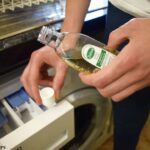
Doing laundry might not be the most enjoyable task, but using fabric softener can make a huge difference in the feel and smell of your clothes. Knowing where to put fabric softener in the washing machine is essential for achieving the desired results without any unwanted residue.
Different types of washing machines have their own specific compartments for fabric softener, and understanding how to add it correctly can save you time and keep your garments feeling soft and fresh.
Fabric softener works by coating the fibres of your clothes to make them feel softer to the touch.
Additionally, it reduces static cling and adds a pleasant fragrance to your laundry.
Knowing when and how to use fabric softener in your washing machine is vital, as it ensures your machine operates efficiently and that your clothes get the best possible treatment during the laundry process.
Whether you own a top-loading or front-loading washing machine, locating the appropriate fabric softener compartment might be confusing, especially for first-time users.
Familiarizing yourself with your machine’s design and the manufacturer’s recommendations will ease this process, enabling you to master the use of fabric softener and achieve optimal results for your laundry.
Key Takeaways
- Locate the correct fabric softener compartment in your washing machine for optimal results
- Familiarize yourself with your machine’s design and follow manufacturer’s recommendations
- Understand the benefits and proper usage of fabric softener in your laundry routine
Understanding Fabric Softener
Fabric softeners play an essential role in your laundry routine, ensuring that your clothes come out softer, fresher, and less staticky.
These laundry aids come in various forms, such as liquid, dryer sheets, or reusable dryer balls.
When using liquid fabric softener in a front-loading washing machine, you should follow these steps:
- Measure the recommended amount of fabric softener using the cap of the bottle as a guide. For medium loads, fill the cap to the middle line, and for large loads, fill it to the upper line.
- Locate the fabric softener dispenser tray in your washing machine. It is typically labelled as such and can usually be found amongst the detergent and bleach trays.
- Add the measured fabric softener into the designated dispenser tray.
- Start the wash cycle as normal, and let the fabric softener work its magic.
Remember that fabric softeners contain cationic, or positively charged ions, which help to neutralise the negative charges caused by loose electrons in an automatic dryer.
This process reduces static electricity and keeps your clothes feeling soft and comfortable.
Now that you have a clearer understanding of fabric softeners and their purpose, feel confident in incorporating them into your laundry routine for improved fabric feel, a fresher scent, and reduced static.
Happy washing!
Types Of Washing Machines And Their Softener Compartments
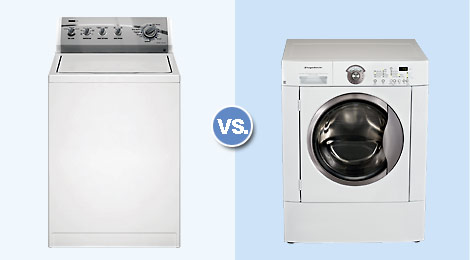
When it comes to using fabric softener in your washing machine, it’s important to add it properly, and to the right compartment.
Different types of washing machines have varying designs and compartments for fabric softener.
Below, you’ll find information on some common washing machines and where to put fabric softener.
Top-Loading Washing Machines:
In top-loading machines, you can usually find the fabric softener dispenser on the central column, also known as the agitator.
Some machines come with an automatic dispenser, where softener should be poured into the allocated compartment, typically marked with a flower symbol.
Remember to refer to your machine’s manual for specific instructions.
Front-Loading Washing Machines:
Front-loading machines often feature a detergent drawer divided into different compartments for detergent, fabric softener, pre-wash detergent, etc.
To locate the fabric softener compartment, look for the flower symbol or a designated area marked as ‘softener’.
Make sure you measure the right amount of softener, and add it during the correct part of the wash cycle, as per the user manual.
Machines Without A Specific Softener Compartment:
In some cases, your washing machine may not have a specific fabric softener compartment. In such instances, use a fabric softener dispensing ball.
Fill the ball with the required amount of softener, seal it, and place it on top of your laundry. The ball will release the softener during the rinse cycle due to the pressure.
Always ensure you follow the specific instructions mentioned in your washing machine’s user manual.
Furthermore, measure the correct amount of fabric softener according to your load to prevent any poor wash/rinse performance, build up, or odours.
Top-Loading Washing Machines
Top-loading washing machines come in two main types: agitator models and impeller models. Each type has a specific way to add fabric softener during the washing process.
This section will guide you on how to correctly put fabric softener in both types of top-loading washing machines.
Agitator Models
Agitator models feature a central column with fins or paddles that help move the clothes and water throughout the wash cycle. To use fabric softener in these models, follow these steps:
- Measure the fabric softener: Use the cap of your softening container to measure the correct amount of fabric softener according to the product’s instructions.
- Locate the dispenser: Find the built-in softener dispenser, which is usually positioned on top of the agitator column or in a separate compartment.
- Pour the fabric softener: Carefully pour the measured fabric softener into the dispenser.
- Start the wash cycle: Begin your wash cycle, and the machine will automatically release the softener at the appropriate time.
Impeller Models
Impeller models have a low-profile bottom plate instead of an agitator column, making them more gentle on clothes. The process for adding fabric softener in these models is slightly different:
- Measure the fabric softener: As with agitator models, use the cap of your softening container to measure the appropriate amount of fabric softener.
- Locate the dispenser: Find the dispenser, which is typically situated in a separate compartment, near the detergent drawer or another location depending on your machine’s design.
- Pour the fabric softener: Pour the measured softener into the designated dispenser.
- Start the wash cycle: Begin your wash cycle, and the machine will automatically release the fabric softener at the right moment.
By following these guidelines for both agitator and impeller top-loading washing machines, you can ensure that your clothes are left soft, fresh, and static-free after each wash.
Front-Loading Washing Machines
Detergent Drawer Softener Compartment
In most front-loading washing machines, the fabric softener should be added to a specific compartment within the detergent drawer.
This compartment is usually marked with a flower or other symbol indicating its purpose for fabric softener. To use fabric softener in these machines, follow these steps:
- Measure the recommended amount of fabric softener using the cap provided.
- Pour the fabric softener into the designated compartment in the detergent drawer.
- Start your wash cycle, and the machine will release the fabric softener during the appropriate rinse cycle.
Adding fabric softener this way ensures it is evenly distributed and effectively softens your clothes without causing adverse effects to the laundry.
Direct Dispenser Models
Some front-loading washing machines may not have a designated fabric softener compartment in the detergent drawer.
In this case, there may be an automatic dispenser tray or a direct dispenser model:
- Measure the right amount of fabric softener using the cap or other measuring device provided.
- Add the fabric softener directly into the washer’s automatic softener dispenser tray (if available) before starting the load. Otherwise, wait until the rinse cycle begins and pour it into the drum.
- Enjoy softer, fresher, and static-free garments once the wash cycle is complete.
Make sure to follow the manufacturer’s guidelines on the type and amount of fabric softener suitable for your washing machine to achieve the best results.
If you’re unsure, consult your machine’s user manual for specific guidance.
Dos and Don’ts Of Fabric Softener Usage

Dos
- Use fabric softener for static reduction: In an automatic dryer, static electricity forms due to an excess of loose electrons. Fabric softeners contain positively charged ions that help equalise the electrons and ions, preventing static. You can choose from liquid softeners, dryer sheets, or reusable dryer balls.
- Clean your washing machine regularly: Fabric softener can cause a build-up in the drum of your washer, trapping soil and odours. To avoid this, add distilled white vinegar to the softener dispenser and run an empty load on hot water every once in a while.
Don’ts
- Don’t use fabric softener on water-resistant materials: Water-resistant and moisture-wicking fabrics don’t mix well with fabric softeners. They already offer resistance to moisture, making them challenging to wash. Avoid using both regular detergent and fabric softener on these materials.
- Don’t use fabric softener on certain items: There are specific items you should never wash with fabric softener, such as cashmere, moisture-wicking activewear, and certain other delicate fabrics. Always check the product label before using fabric softener to ensure compatibility.

Founder of homeappliancegeek.com, avid cook, and lover of Asian food.
Signature dishes include Thai Red Curry, Chicken Saag, Bibimbap and Sushi.
Massive clean freak; a habit baked-in after spending 9 years in the catering industry.
The one appliance he couldn’t live without? Easily the dishwasher (total relationship saver!).