Can you put a washing machine in a bathroom?
When considering the layout of your home, you might wonder if it’s possible to place a washing machine in your bathroom.
You’re not alone in pondering this question, as many people look for ways to save space and create a more efficient home.
It’s important to note that while you can have a washing machine in a bathroom, there are several factors to consider. One main concern is the potential impact of humidity and moisture on the appliance’s performance.
Bathrooms tend to be humid environments, which can lead to damage to the machine or affect its efficiency.
In this article, we will explore the full pros and cons of having a washing machine in the bathroom, as well as any potential issues you may need to address.
Benefits And Drawbacks Of Washing Machines In Bathrooms
Advantages Of This Arrangement
One key benefit of having your washing machine in the bathroom is for those with limited space. If you don’t have a dedicated laundry room, the bathroom can be a practical alternative.
Additionally, having the washing machine in the bathroom can save space in your kitchen or utility area.
In terms of weight and size, it’s generally easier to install a washing machine in the bathroom since plumbing is already in place.
This means you won’t have to worry about running additional water pipes or drainage systems.
Another advantage is that keeping your washing machine in the bathroom might make it easier to manage any potential water damage.
Bathrooms are typically designed for handling water and moisture, so if there are any leaks or spills from the machine, your bathroom flooring might offer better protection than other rooms.
It can also help reduce the risk of mould and mildew in other areas of your home by maintaining a dedicated wet area.
Potential Issues And Concerns Of Putting A Washing Machine In A Bathroom
While there are benefits to having a washing machine in your bathroom, there are also potential drawbacks to consider.
One of the main concerns related to safety. Bathrooms can be damp and prone to mould and mildew, which could lead to potential damage to the metal components of your washing machine.
To mitigate this risk, remember to keep the area around your washing machine clean, dry, and free from detergent spills.
Another concern is the possibility of having issues with warranty or any legal regulations.
In some countries, for example in the Philippines, there may be regulations against placing washing machines in bathrooms due to electrical safety standards.
Before moving your washing machine, it is best to consult local regulations and check your warranty to avoid any potential complications.
Although keeping a washing machine in the bathroom can save space in other areas of your home, the bathroom’s aesthetic may be compromised.
Visible laundry appliances might be less appealing to guests, and any particles under the machine, like dirt or dust, could scratch the floor over time. So it is essential to keep the area clean and tidy as much as possible.
Requirements For Installing Washing Machine In Bathroom
Regulations And Legal Considerations
Before installing a washing machine in your bathroom, it’s important to familiarise yourself with the local regulations and legal considerations.
While there isn’t a specific law prohibiting or permitting washing machines in bathrooms, various plumbing and electrical codes may apply.
It’s essential that your bathroom is large enough; your washing machine should ideally be placed a minimum of 3 metres away from the nearest edge of the bath or shower.
Also, consult the manufacturer about your unit’s warranty information and whether it’s suitable for bathroom installation.
Electrical Safety And Codes
Your safety should be a priority when installing a washing machine in the bathroom. Make sure your electrical connections and supply adhere to the electrical code requirements, including:
- Installing a Ground Fault Circuit Interrupter (GFCI) to protect against electric shocks
- Ensuring a circuit breaker is in place for the washer’s electrical supply
- Avoiding contact between water sources and the washing machine’s electrical outlet
In addition, it’s recommended that you follow placement guidelines to reduce the risk of fire or electric shock:
- Position the washing machine away from heat sources, such as furnaces, radiators, and fireplaces
- Ensure the room’s temperature stays above 0°C (32°F) to avoid freezing pipes
- Choose a level, hard-floor surface for optimal washer stability and performance
Ventilation And Moisture Control
Since bathrooms tend to be damp and humid spaces, proper ventilation and moisture control are crucial for maintaining a safe and efficient environment for your washing machine.
The following practices can help minimise potential issues:
- Install an exhaust fan to promote air circulation and reduce moisture build up
- Follow proper drying practices for clothes to reduce steam and dampness in the room
- Routinely clean and maintain your washing machine to avoid mould and mildew growth
- Place a moisture-resistant cover over your washer when not in use
By adhering to these guidelines and keeping up-to-date with your local codes and regulations, you can safely and effectively install a washing machine in your bathroom.
Preparing The Bathroom
Space And Layout Planning
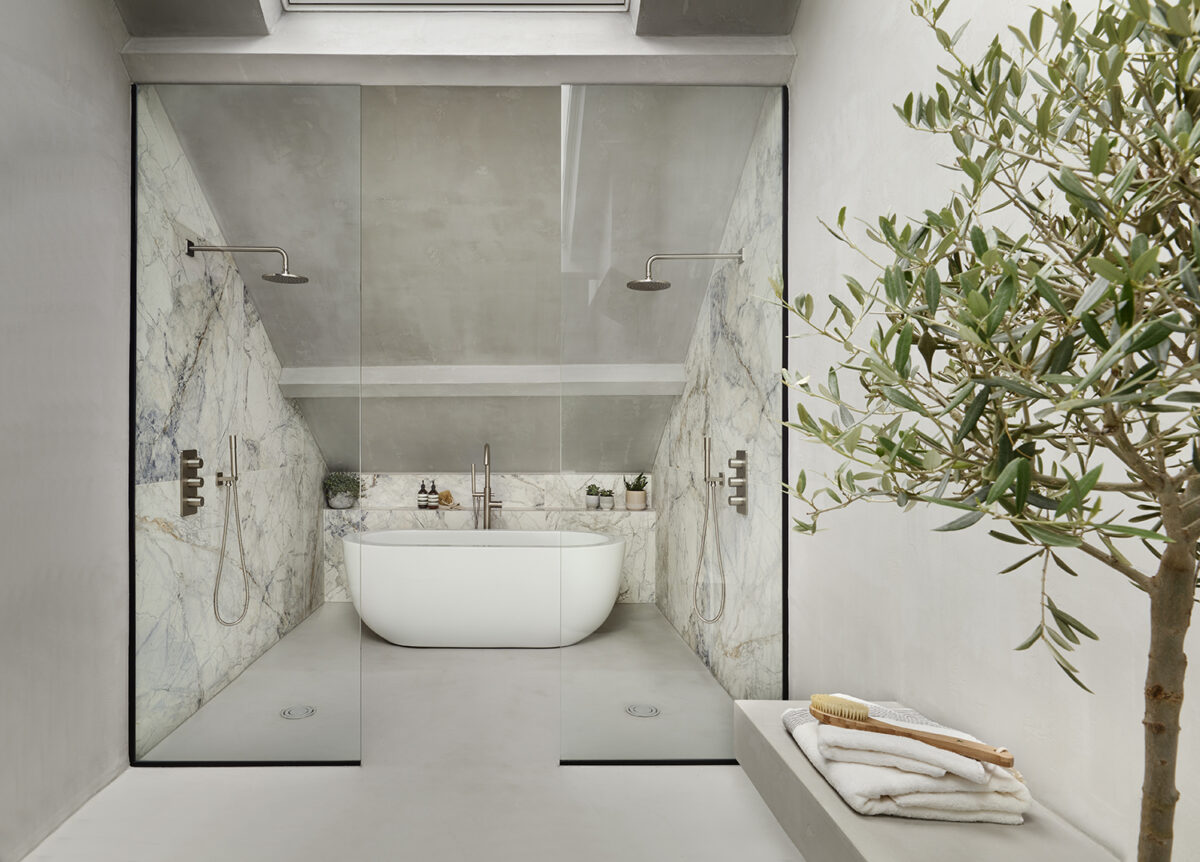
Before placing a washing machine in your bathroom, take the time to assess available space.
You should ensure there is ample room for your washing machine next to either the sink or toilet without causing obstructions, especially in smaller bathrooms like apartments or studio units.
Think about accessibility for loading and unloading your washer, and whether there’s enough space to store clean laundry and other items, such as detergent.
Make sure the washing machine is positioned far away from the shower or bath to avoid water damage.
Drainage And Water Connections
To install a washing machine in your bathroom, you’ll need access to a water supply, drainage, and a power outlet. First, connect the washer’s inlet hose to a compatible water source, such as a tap.
Next, you’ll need to attach the drain standpipe to the appliance, ensuring it’s high enough to prevent water from flowing back into the machine.
Be sure to follow local regulations and consult with local authorities to ensure your installation is compliant.
Additionally, you’ll need a nearby RCD-protected plug socket to power your washing machine. In the UK, sockets must be at least three metres away from the bath or shower due to strict electrical codes.
Keep this in mind when planning your bathroom layout.
Dealing With Bathroom Humidity
One potential issue with having a washing machine and dryer in your bathroom is increased humidity from showers and baths.
High humidity conditions can lead to mould, mildew, or even affect the performance of your appliances.
To combat this, consider installing an extractor fan or dehumidifier to help keep moisture levels down.
Regularly clean your bathroom, ventilate by opening windows and doors for short periods, and maintain your appliances to ensure their longevity and efficiency in a humid environment.
Additional Considerations
Caring For Bathroom Textiles
When placing a washing machine in your bathroom, it’s essential to care for your bathroom textiles, such as rugs, bathroom mats, and towels.
Ensure that you follow the care label instructions on your textiles to keep them in good condition.
For instance, wash the bright colours separately and avoid using too much detergent or bleach, which may cause damage to the fabric.
When it comes to drying, consider using a drying rack instead of hanging wet mats and rugs over the washing machine, as the moisture in the bathroom may not be suitable for drying these items.
Tips For Washing Machines In Bathrooms
- Manufacturer’s guidance: Check with the washing machine manufacturer for specific guidelines and policies about placing the unit in the bathroom. Some manufacturers may not recommend this, and doing so could void the warranty.
- Safety: Make sure the washing machine is connected to a safe and appropriate electrical socket. Avoid using extension cords, as they may not be suitable for areas with moisture, and can pose a safety hazard.
- Proper maintenance: Regularly maintain your washing machine to ensure it operates efficiently, even in the humid environment of the bathroom. This includes cleaning filters, checking hoses, and ensuring the unit is level on the floor.
- Moisture control: To protect your washing machine from excessive moisture in the bathroom, consider using a bathroom mat or rug to absorb water or installing a ventilation system to reduce humidity levels.
- Space saving: If you have limited space in your bathroom, opt for stackable washing machines and dryers to save on floor space.
Alternative Laundry Setups
There are several alternative laundry setups for installing a washing machine in your home. In this section, we will explore two popular options: kitchen installation and utility room installation.
Kitchen Installation

Installing a washing machine in your kitchen is a common approach. If you choose to do this, ensure that there is appropriate access to plumbing (sink and faucet) as well as electrical power.
An important factor to consider when choosing your washing machine’s location is the proximity to a fused connection unit or electrical socket, as you need to comply with British Standard BS7671:2008 wiring regulations.
When planning the layout, consider the space required for your washing machine, especially if you also plan on having a tumble dryer.
Having ample space will be convenient for future repairs and maintenance.
Additionally, ensure that the insulation in your kitchen is adequate to reduce noise and vibrations from the washing machine.
In summary:
- Ensure access to plumbing and electrical power
- Comply with BS7671:2008 wiring regulations
- Plan for sufficient space and insulation
Utility Room Installation
A dedicated utility room offers a separate space for your washing machine and other laundry appliances. This setup allows you to keep your laundry tasks more organized and separate from your kitchen.
First, assess your utility room to ensure it meets the necessary power, plumbing, and electrical requirements.
You’ll need convenient access to sinks and faucets for hand-washed items, and sockets for powering your machine.
As previously mentioned, it’s important to conform to the BS7671:2008 wiring regulations in terms of safety and compliance.
The utility room should also have enough space to accommodate a tumble dryer if you have one, as well as storage for laundry essentials.
Furthermore, proper insulation is crucial to minimise noise and vibrations.
In summary:
- Ensure power, plumbing, and electrical compliance
- Provide access to sinks and sockets
- Plan for adequate space and insulation

Founder of homeappliancegeek.com, avid cook, and lover of Asian food.
Signature dishes include Thai Red Curry, Chicken Saag, Bibimbap and Sushi.
Massive clean freak; a habit baked-in after spending 9 years in the catering industry.
The one appliance he couldn’t live without? Easily the dishwasher (total relationship saver!).