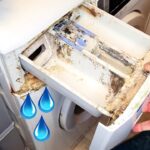
Is your washing machine leaking when not in use
If you’ve noticed water pooling around your washing machine when it’s not in use, you may be dealing with a leak.
Leaks can be frustrating and potentially damaging to your home, so it’s important to address the issue as soon as possible.
Fortunately, there are several potential causes of washing machine leaks when not in use, and many of them can be easily fixed.
One possible cause of a washing machine leak when not in use is a faulty inlet water valve.
This valve controls the flow of water into your washing machine, and if it’s not functioning properly, water can leak into the machine even when it’s turned off.
Another potential culprit is a damaged water pump, which can cause water to pool at the bottom of your machine. Loose or unsecured hoses can also lead to leaks, as can a washing machine that’s not properly levelled.
Key Takeaways
- Washing machine leaks when not in use can be caused by a variety of issues, including faulty inlet water valves, damaged water pumps, and loose hoses.
- Troubleshooting a leaking washing machine involves identifying the source of the leak and determining the best course of action.
- DIY fixes for a leaking washing machine may include tightening hoses, replacing faulty parts, or levelling the machine. If you’re unsure how to proceed, it may be best to call a service technician for assistance.
Causes Of Washing Machine Leaks When Not In Use
If you have noticed water on the floor around your washing machine, it could be a sign of a leak.
A leaking washing machine can be caused by a variety of issues, some of which are more serious than others.
In this section, we will discuss the most common causes of washing machine leaks when not in use.
Worn Out Seals
One of the most common causes of a leaking washing machine is worn out seals. Over time, the rubber seals that keep water from leaking out of your washing machine can become brittle and crack.
This can cause water to leak out of your washing machine, even when it is not in use. If you notice water leaking from the bottom of your washing machine, it could be a sign that the seals need to be replaced.
Loose Connections
Another common cause of a leaking washing machine is loose connections.
If the water hoses that connect your washing machine to the water supply are not properly tightened, water can leak out of them and onto your floor.
This can cause water damage to your home and can be a potential safety hazard. Make sure to check the connections on your washing machine regularly to ensure that they are properly tightened.
In addition to worn out seals and loose connections, there are several other factors that can cause a washing machine to leak when not in use.
These include a faulty tub seal, a leaking pump, and a defective water inlet valve.
It is important to address any leaks in your washing machine as soon as possible to prevent further damage to your home and to ensure that your washing machine is functioning properly.
To prevent leaks in your washing machine, make sure to check the water hoses and connections regularly and replace any worn out seals or rubber washers.
If you notice any leaks or signs of water damage, it is important to address the issue as soon as possible to prevent further damage to your home.
How To Troubleshoot A Leaking Washing Machine
If you notice water on the floor around your washing machine when it’s not in use, it’s likely that your machine is leaking.
A leaking washing machine can cause water damage to your home and increase your water bills, so it’s important to troubleshoot the issue as soon as possible.
Here are some steps you can take to troubleshoot a leaking washing machine.
Check The Water Supply Hoses
The first thing you should do is check the water supply hoses that connect your washing machine to the water supply valves.
Make sure that the hoses are properly connected and tightened. If the hoses are loose, water can leak out. If the hoses are damaged or worn, they may need to be replaced.
Inspect The Drain Hose
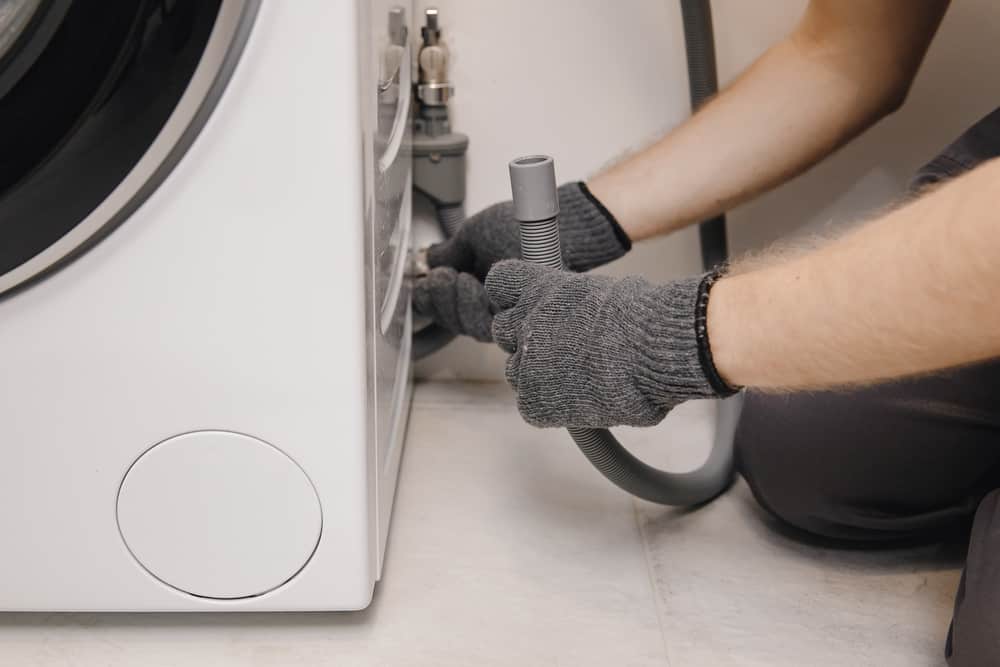
The drain hose is responsible for removing water from your washing machine and draining it away. If the drain hose is clogged or damaged, water can back up and leak out of the machine.
Check the drain hose for any kinks or clogs. Make sure that the hose is properly connected to the drain pipe or standpipe. If the drain hose is damaged, it may need to be replaced.
It’s also important to check the water inlet valve and water supply valves. Make sure that they are fully open and not clogged. If the water inlet valve or water supply valves are damaged or worn, they may need to be replaced.
To prevent future leaks, make sure to run your washing machine on the appropriate cycle and load size.
Overloading your machine can cause it to leak. Additionally, make sure to clean your machine regularly and remove any lint or debris from the drain pump filter.
By following these steps, you can troubleshoot a leaking washing machine and prevent water damage to your home.
DIY Fixes For A Leaking Washing Machine When Not In Use
If you have noticed standing water under your washing machine when it is not in use, it could be an indication of a leak.
A leaking washing machine can cause damage to your floors and even lead to mould growth. Fortunately, there are some simple DIY fixes that you can try before calling a professional.
Replace The Tub Ring
The tub ring is a plastic ring that sits on top of the washing machine tub. Over time, it can become cracked or worn, causing water to leak out. To replace the tub ring, follow these steps:
- Unplug the washing machine and turn off the water supply.
- Remove the top panel of the washing machine.
- Locate the tub ring and remove it by unscrewing any screws or clips holding it in place.
- Install the new tub ring by reversing the steps.
Clean The Drain Pump Filter
A clogged drain pump filter can cause water to back up and leak out of the washing machine. To clean the drain pump filter, follow these steps:
- Unplug the washing machine and turn off the water supply.
- Locate the drain pump filter, which is usually at the bottom of the washing machine.
- Place a shallow pan or towel under the drain pump filter to catch any water that may spill out.
- Unscrew the drain pump filter and remove any debris or lint.
- Reinstall the drain pump filter and tighten the screws.
In addition to these DIY fixes, there are some other things you can do to prevent a washing machine leak. Here are some tips:
- Check the hoses for leaks or damage and replace them if necessary.
- Avoid overusing by using the correct amount of detergent.
- Don’t overload the washing machine.
- Run a cleaning cycle with vinegar or a washing machine cleaner to remove any build up.
- If you suspect a leaky pump, it’s best to call a professional.
By following these tips and DIY fixes, you can prevent a washing machine leak and avoid costly repairs.
When To Call A Service Technician
If your washing machine is leaking when not in use, it’s important to find and resolve the cause of the leak quickly to prevent water damage in your laundry room.
While some issues can be fixed easily, there are times when you should call a service technician to repair your washer.
Off-Balance Washing Machine
If your washing machine is off-balance, it can cause leaks and other problems. If you notice that your washer is shaking or vibrating excessively during the spin cycle, it may be off-balance.
This can be caused by a variety of factors, including an uneven load, worn suspension rods, or a damaged shock absorber.
If you’ve tried to balance the load and the problem persists, it’s time to call a service technician.
Leaky Pump
A leaky pump is another common cause of washing machine leaks. The water pump circulates water during the cycle and drains the water once the cycle is complete.
If the pump is damaged or worn, it can cause leaks. You may notice water pooling underneath your washer or leaking from the pump itself. If you suspect a leaky pump, it’s best to call a service technician to repair or replace it.
When calling a service technician, make sure you have the following information ready:
- The make and model of your washer
- A description of the problem
- Any error codes displayed on the washer
- Your availability for an appointment
Before the technician arrives, make sure the area around your washing machine is clear of any obstructions. You may also want to have towels on hand in case of a flood.
Once the technician arrives, they will likely perform a visual inspection of your washer and may use pliers or screws to access certain parts.
If the issue is not immediately apparent, they may need to take apart the washer to diagnose the problem.
Preventing Future Leaks
Preventing leaks in your washing machine can save you from costly repairs and water damage. By following some simple maintenance tips, you can keep your washer in good condition and avoid future leaks.
Regular Maintenance
Performing regular maintenance on your washing machine can help prevent leaks. Here are some maintenance tips to keep in mind:
- Check the fill and drain hoses for cracks or damage. Replace them if necessary.
- Make sure the water valve is turned off when the washer is not in use.
- Keep the washer level to prevent water from pooling.
- Clean the water pump regularly to prevent clogs.
- Use a water softening system if your water is hard. Hard water can cause mineral build up in your washer, leading to leaks.
Use The Right Amount Of Detergent
Using too much detergent can cause your washing machine to overflow, leading to leaks. Follow the manufacturer’s instructions for the correct amount of detergent to use.
Using too little detergent can also cause problems, as it may not clean your clothes properly.
When using a top-loading washer, add the detergent to the water before adding your clothes. This will help prevent detergent build up on your clothes and in your washer.
When using a front-loading washer, use HE (high-efficiency) detergent. Regular detergent can cause excessive suds, leading to leaks.
By following these tips, you can prevent future leaks in your washing machine. Regular maintenance and proper detergent use can keep your washer running smoothly for years to come.

Founder of homeappliancegeek.com, avid cook, and lover of Asian food.
Signature dishes include Thai Red Curry, Chicken Saag, Bibimbap and Sushi.
Massive clean freak; a habit baked-in after spending 9 years in the catering industry.
The one appliance he couldn’t live without? Easily the dishwasher (total relationship saver!).