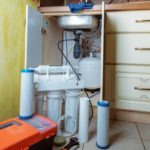
So, is Ro water banned in Europe?
RO water, or reverse osmosis water, is not banned in Europe despite claims and rumours circulating online.
While some countries may impose restrictions on its usage due to specific concerns or the quality of their water supplies, anyone living in a European country can legally purchase and consume RO water.
It is readily available in supermarkets and online stores.
Is RO Water Banned In Europe?
There is a myth circulating that reverse osmosis (RO) water is banned in Europe. This section will discuss the availability of RO water in Europe and any existing restrictions or exceptions.
RO Water In The European Market
Contrary to the myth, RO water is not banned in Europe. In fact, anyone living in a European country can legally buy reverse osmosis water for drinking or other uses.
RO bottled water is available for sale in supermarkets and online. People can also purchase reverse osmosis systems at hardware stores and from online retailers.
Reverse osmosis is a popular water purification method used worldwide. It effectively removes contaminants and dissolved minerals to produce clean and safe drinking water.
Many European households and businesses use reverse osmosis systems to ensure the quality of their water supply.
Could RO Water Be Banned In The Future?
In the current scenario, RO water is not banned in Europe. Europeans can legally buy and use reverse osmosis water for drinking and other purposes.
However, one might wonder if the possibility of banning RO water could arise in the future due to certain factors.
One of the main reasons why RO water could potentially face restrictions in the future is the demineralization process.
During reverse osmosis, essential minerals such as calcium and magnesium are removed from water along with the contaminants.
According to the World Health Organization (WHO), the lack of these minerals in water may have health implications, which could lead to increased concerns over the reliance on RO water.
- Reverse osmosis removes 92-99% of beneficial calcium and magnesium from water.
- There are health risks associated with the lack of minerals in drinking water.
Environmentally, the reverse osmosis process is not very resource-efficient. It produces a significant amount of wastewater that could contribute to the depletion of water sources, particularly in water-stressed regions.
Environmental concerns and increased awareness about sustainable water management could lead to a questioning of the reliance on RO water and potential future restrictions.
| Environmental Concern | Explanation |
|---|---|
| Resource efficiency | Reverse osmosis produces large amounts of wastewater, leading to potential water waste issues. |
| Sustainability | Increased emphasis on sustainable water management could bring RO water consumption under review. |
It is worth mentioning that New Delhi, India, has banned RO water systems because the local water supply’s total dissolved solids (TDS) were already below 500, rendering the use of reverse osmosis systems unnecessary.
While this may not directly influence decisions in Europe, it does provide an example of how specific conditions or regulations could lead to a partial or full ban on RO water in certain regions.
Is RO Water Wasteful?
Reverse osmosis (RO) water filtration systems are well-known for their ability to remove contaminants from water, providing cleaner and purer drinking water.
However, concerns have been raised about the efficiency of these systems, often questioning their potentially wasteful nature.
In the RO process, water is forced through a semi-permeable membrane to separate contaminants from the water.
As a result, two streams of water are produced: one purified and the other containing concentrated contaminants, also known as wastewater.
The ratio between these two streams can be a significant factor in determining the wastefulness of an RO system.
It’s essential to understand that RO systems generate a certain amount of wastewater for every unit of purified water produced.
This ratio can vary greatly, with some systems wasting as much as 60% of the water that passes through them. This means that for every litre of purified water, some systems might waste up to 2.5 litres of water.
The efficiency of an RO system highly depends on its design, quality, and maintenance.
Manufacturers have made significant efforts to improve the water-saving capabilities of their systems, with some modern RO units boasting waste ratios as low as 1:1.
Additionally, proper maintenance can significantly impact the efficiency and waste ratio of an RO system, ensuring that the unit functions optimally.
Wastewater generated by RO systems can have environmental implications, particularly in areas where water scarcity is a prominent issue.
It’s crucial for users to assess whether the benefits of purified water outweigh the potential wastefulness in the local context.
Here are some ways to reduce the wastewater produced by an RO system:
- Choose an RO system with a lower waste ratio, ideally a unit that boasts a 1:1 or 2:1 ratio.
- Regularly maintain your RO system, including replacing filters and membranes as recommended by the manufacturer.
- Consider installing a permeate pump, which can improve system efficiency and reduce wastewater production.
- Reuse the wastewater wherever possible, such as for irrigation, washing vehicles, or flushing toilets.
Is RO Water Safe To Drink?

Reverse Osmosis (RO) water is considered safe to drink in many places, including Europe.
Although there have been concerns regarding the lack of minerals present in RO water, it is generally a safe option for consumption.
The process of reverse osmosis removes contaminants and impurities, providing clean drinking water.
What Are The Side Effects Of RO Water?
While RO water is generally considered safe to drink, there are some potential side effects to be aware of. These can include:
- Dematerialisation: One of the main concerns about RO water is the removal of essential minerals during the filtration process. Minerals such as calcium, magnesium and potassium are crucial for maintaining good health. However, it’s important to note that your primary source of these minerals should be from your diet, not water.
- Waste of water: The reverse osmosis process can generate a significant amount of waste water, which is a concern given the increasing global water scarcity. However, technological advancements have led to the development of more efficient RO systems that waste less water.
- RO water can be slightly acidic: Due to the demineralisation process, RO water may have a slightly acidic pH level. Drinking slightly acidic water may not cause immediate harm, but it is best to balance your water intake with other sources of alkaline water or foods to maintain a balanced pH level in your body.
Is Demineralised Water From Reverse Osmosis Filters Good For You?
This process results in demineralised water, which raises the question of whether it’s beneficial for our health or not.
Demineralised water undergoes a thorough purification process, which effectively eliminates the majority of contaminants.
This highly purified water can be an advantage for individuals concerned about the presence of harmful substances in tap water.
For instance, RO filters can reduce sediment, environmental impurities, chlorine, lead, and other contaminants to provide clean and safe drinking water.
Nonetheless, there are concerns with demineralised water. One potential issue is the removal of essential minerals during the filtration process.
Minerals such as calcium, magnesium, and potassium, which are vital for various bodily functions, might be substantially reduced in RO water.
Drinking water devoid of these minerals could lead to a deficiency if they are not adequately replaced through diet.
Furthermore, the long-term consumption of demineralised water may lead to a debate on its safety.
RO Water Alternatives In Europe
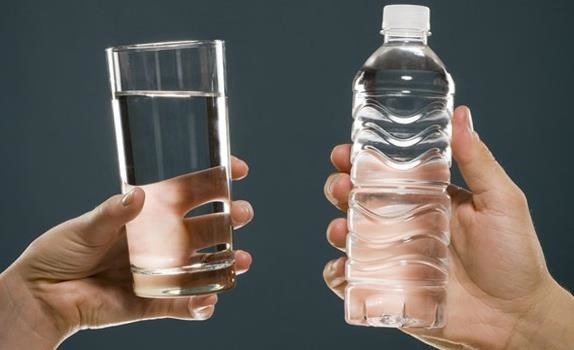
Tap Water vs. RO Water vs. Bottled Water
Tap water in European countries is generally safe and of high quality.
However, in some areas, tap water may have higher levels of contaminants, such as chlorine, nitrates or heavy metals, which can impact taste and, in some cases, health.
RO water filters address these concerns, effectively removing most contaminants, providing crisp and clean drinking water.
On the other hand, bottled water, despite being a convenient option, can be expensive and has a notable environmental impact due to plastic waste.
Below, we have outlined the key differences between tap water, RO water and bottled water:
- Cost: Tap water is the most affordable option, followed by RO water once the initial investment in the filtration system is made. Bottled water is the most expensive choice in the long run.
- Quality: Although tap water standards are high in Europe, RO water filters provide the highest purity levels. Bottled water quality can vary, and its purity is not always guaranteed.
- Environmental Impact: Tap water generates the least amount of waste, whereas the production and disposal of bottled water greatly contribute to plastic pollution. RO systems require periodic replacement of filter cartridges which may have a smaller impact on the environment, depending on disposal practices.
- Availability: Tap water is readily accessible in most European homes, while RO water systems require installation and maintenance. Bottled water is easily accessible in supermarkets and online, but is not as convenient as tap or RO water at home.
Home Water Filtration Systems
For those who seek an alternative to RO water, numerous home water filtration systems are available in Europe.
These systems address various water quality concerns and provide an environmentally friendly alternative to bottled water. Some popular home water filtration systems include:
- Activated Carbon Filters: This type of filter is effective at removing chlorine, volatile organic compounds, and other impurities that affect the taste and odour of water. They are commonly found in pitcher filters, faucet-mounted filters and under-sink units.
- Ceramic Filters: Ceramic filters contain microscopic pores that trap bacteria, sediment and other particles. These filters are often used in combination with activated carbon filters to provide clean and good-tasting water.
- Distillation Units: A distillation system relies on the process of boiling water to create vapour, which then condenses and is collected in a separate container. This process effectively removes bacteria, heavy metals, and other contaminants, providing demineralised water.
- Ultraviolet (UV) Disinfection: UV disinfection systems use ultraviolet light to inactivate bacteria, viruses and other microorganisms, ensuring your water is safe from harmful pathogens. These systems are often installed alongside other filtration devices for comprehensive water purification.
When selecting a home water filtration system, it is essential to consider your specific water quality concerns, budget and installation requirements.
Regular maintenance is also an important factor, as filters and other components must be replaced periodically to ensure optimal performance.

Founder of homeappliancegeek.com, avid cook, and lover of Asian food.
Signature dishes include Thai Red Curry, Chicken Saag, Bibimbap and Sushi.
Massive clean freak; a habit baked-in after spending 9 years in the catering industry.
The one appliance he couldn’t live without? Easily the dishwasher (total relationship saver!).