If you’ve ever experienced the frustration of a washing machine not heating water, you know how inconvenient it can be.
Not only does it affect the quality of your laundry, but it can also be a sign of a bigger issue with your appliance.
One of the most common reasons for a washing machine not heating water is a faulty water heater. Over time, the heating element can become damaged or worn out, which can prevent it from working properly.
Another possible cause is a clogged filter, which can restrict the flow of water and prevent it from reaching the heating element.
Additionally, using the wrong type or amount of detergent can also affect the temperature of the water and the performance of the washing machine.
If you’re dealing with a washing machine that is not heating water, don’t worry. There are several DIY repair options that you can try before calling in a professional.
By understanding the possible causes and taking the necessary steps to fix them, you can get your washing machine back to working order in no time.
Why Washing Machine Is Not Heating Water
If your washing machine is not heating water, it can be frustrating and inconvenient. However, before you call a professional, there are a few things you can check yourself to troubleshoot the issue.
Here are some possible reasons why your washing machine is not heating water and how to fix it:
Check The Power Supply
The first thing you should check is the power supply. Make sure that the washing machine is properly plugged in and that the circuit breaker has not tripped.
If the power supply is not the issue, move on to the next step.
Check The Hoses And Water Inlet Valve
Check the hoses and water inlet valve for any blockages or sediment build up. Sediment can accumulate over time and clog the screens, which can prevent the water from flowing properly.
If you notice any blockages or sediment build up, remove the hoses and clean the screens thoroughly.
Also, check the water inlet valve for any signs of wear or damage. If you notice any issues, replace the valve.
Check The Heating Element
If the hoses and water inlet valve are not the issue, check the heating element. The heating element is responsible for heating the water in your washing machine.
If it is faulty or damaged, it will not be able to heat the water. Check the continuity of the heating element with a multimeter. If there is no continuity, replace the heating element.
Check The Thermostat And Temperature Sensor
The thermostat and temperature sensor are responsible for regulating the water temperature in your washing machine.
If they are faulty or damaged, they will not be able to regulate the water temperature properly. Check the continuity of the thermostat and temperature sensor with a multimeter. If there is no continuity, replace them.
Water Heater
If your washing machine is not heating water, the issue may be with your water heater. Here are some things you can check to troubleshoot the problem.
Check The Tankless Water Heater
If you have a tankless water heater, make sure it is functioning properly. These heaters provide hot water on demand, so if they are not working correctly, you may not have hot water when you need it.
Check the manufacturer’s instructions to ensure that your water heater is set up correctly and that all of its components are functioning as they should.
Check The Pilot Light
If you have a gas water heater, make sure that the pilot light is on. If it is not, you may need to relight it. Follow the manufacturer’s instructions carefully to do this safely.
If the pilot light keeps going out, it may be a sign of a more serious problem, such as a faulty thermocouple.
Check The Thermocouple
The thermocouple is a safety device that shuts off the gas supply to the water heater if the pilot light goes out. If the thermocouple is faulty, it may shut off the gas supply even if the pilot light is on.
Check the manufacturer’s instructions to locate the thermocouple and test it for functionality.
Remember, if you are not comfortable working with gas appliances, it is best to call a professional to diagnose and repair the problem.
Faulty water heaters can be dangerous, as they can release carbon monoxide into your home. Always follow safety precautions and manufacturer’s instructions when working with gas appliances.
Detergent And Laundry Affecting Washing Machine Heat Up?
Check The Detergent And Laundry
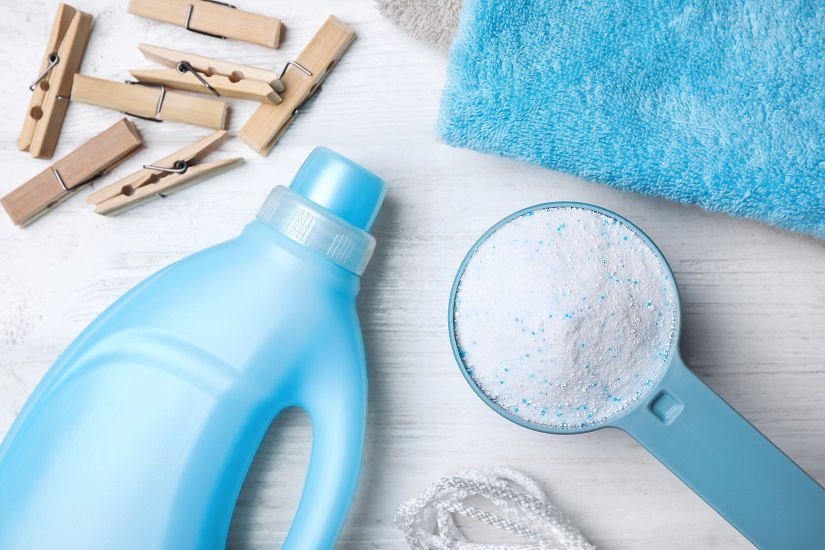
When your washing machine is not heating water, it’s important to make sure you are using the correct detergent and laundry for the load. Here are some things to keep in mind:
- Detergent: Make sure you are using a detergent that is suitable for the temperature of the water you are using. If you are washing with cold water, use a detergent that is specifically designed for cold water washes. Some detergents may not dissolve well in cold water, so always check the label before purchasing.
- Laundry: Different fabrics require different care. Always check the care label on your clothing to ensure you are washing it correctly. For example, wool should be washed in cold water and laid flat to dry, while cotton can be washed in hot water.
- Water Temperature: If your washing machine is not heating water, you may need to adjust the temperature settings on your machine. Some machines have a separate setting for hot water, so make sure this is selected if you want to wash with hot water.
- Enzymes: Enzymes in laundry detergents can help break down stains and dirt, but they work best in warm water. If you are washing with cold water, look for a detergent that contains enzymes specifically designed for cold water washes.
- White Clothes and Sheets: If you are washing white clothes or sheets, it’s important to use a detergent that contains bleach or other whitening agents. These detergents work best in hot water, so make sure you are using the correct temperature setting on your machine.
By checking your detergent and laundry, you can ensure that your washing machine is working as efficiently as possible, even if it’s not heating water.
DIY Repairs For Washing Machine Not Heating Up
If your washing machine isn’t heating water, there are a few things you can try before calling a repair technician. Here are some DIY repair steps you can take to troubleshoot the problem:
Check The Owner’s Manual
The first step in any appliance repair is to consult the owner’s manual.
This will give you information on how to troubleshoot common problems, as well as how to safely disassemble and reassemble the machine.
If you don’t have the manual, you can often find it online by searching for the make and model of your washing machine.
Check For Blockages And Debris
One common cause of a washing machine not heating water is a blockage or debris in the water inlet valve. To check for this, turn off the water supply to the machine and disconnect the hoses.
Look for any debris or blockages in the valve and clean it out if necessary. You can also check the inlet screen for any blockages and clean it out as well.
Check The Water Level Switch
Another possible cause of a washing machine not heating water is a faulty water level switch.
This switch controls the amount of water in the machine and if it is not working properly, the machine may not heat the water correctly.
To check the switch, you will need to use a multimeter to test the continuity of the switch. If it is faulty, you will need to replace it.
Check For Kinks In The Hoses
Finally, check the hoses for any kinks or damage. If the hoses are damaged or kinked, it can restrict the flow of water to the machine and prevent it from heating the water properly.
If you find any damage, you will need to replace the hoses.
By following these DIY repair steps, you may be able to fix the problem with your washing machine not heating water.
If these steps don’t work, it may be time to call in a professional appliance repair technician to diagnose and fix the problem.

Founder of homeappliancegeek.com, avid cook, and lover of Asian food.
Signature dishes include Thai Red Curry, Chicken Saag, Bibimbap and Sushi.
Massive clean freak; a habit baked-in after spending 9 years in the catering industry.
The one appliance he couldn’t live without? Easily the dishwasher (total relationship saver!).