Do you have to remove transit bolts from washing machine?
When setting up a new washing machine, it’s essential to understand the role of transit bolts and the importance of removing them.
Transit bolts are long screws that secure the drum of the washing machine during transportation. They prevent excessive movements or vibrations that could otherwise cause damage to the appliance.
Before using your washing machine for the first time, you must remove these bolts to ensure the appliance operates correctly and avoid any potential damage.
Understanding how and when to remove transit bolts is crucial for the proper functioning of your washing machine.
Typically, the removal process involves unscrewing the bolts from the back of the appliance.
Once the bolts are removed, it’s essential to store them safely, as they may be needed should you need to move or transport the machine in the future.
Failing to remove transit bolts can lead to several issues, such as excessive noise, vibrations, or even damage to the appliance’s internal components, affecting its performance and lifespan.
Key Takeaways
- Transit bolts protect the washing machine drum during transportation and must be removed before use.
- Removal of transit bolts involves unscrewing them from the back of the appliance and storing them safely.
- Not removing transit bolts can cause excessive noise, vibrations, and potential damage to the washing machine.
Understanding Transit Bolts In Washing Machines
Transit bolts are essential components that secure your washing machine during transportation. When you purchase a new washing machine, these bolts hold the drum in place to prevent damage to other components.
Once the appliance reaches its destination, it is crucial that you remove them to ensure the machine operates smoothly.
Before you remove the transit bolts, it’s helpful to familiarise yourself with their appearance and location.
They are typically long bolts with a plastic or rubber spacer, and they can be found at the back of the machine, attached to the drum.
Transit bolts may vary in number and size, but there are generally three or four used in most washing machines.
To remove the transit bolts, you will need some basic tools, such as a socket wrench or spanner.
It’s important to follow the manufacturer’s instructions to avoid causing unnecessary damage to your appliance.
Here are general steps to follow:
- Unplug your washing machine from the power source.
- Locate the transit bolts at the back of the machine.
- Use a socket wrench or spanner to unscrew the bolts and pull them out slowly.
- Store the bolts safely in case you need them for future use.
- Seal the holes using the plastic covers provided by the manufacturer.
When removing the transit bolts, keep in mind that they may be attached tightly due to their crucial role in securing the machine during transportation.
Apply steady pressure and patience to avoid damaging any components of your washing machine.
Failure to remove transit bolts can result in various issues, including excessive noise, vibrations, and potential damage to the drum and other components. Also, it may void your appliance’s warranty.
Therefore, it is essential to take the time to locate and remove them before using your new washing machine. By doing so, you will ensure the proper functioning and longevity of your appliance.
Importance Of Removing Transit Bolts From Washing Machine
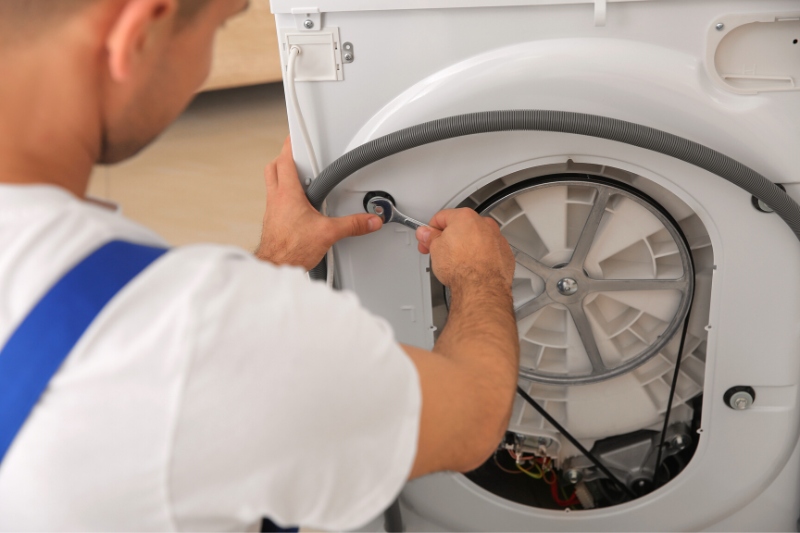
When setting up your new washing machine, it’s essential to remove the transit bolts. These bolts protect the machine’s internal components during transport, keeping them stable and secure.
However, when you’re ready to use your washing machine for the first time, it is crucial to take them out.
Leaving the transit bolts in place can cause several issues. Firstly, the machine may vibrate excessively or become unbalanced during use.
This can lead to poor washing performance, noise, and even damage to your floor and surrounding areas.
Furthermore, the excess vibration may put strain on the machine’s drum and suspension system, eventually causing potential failures in these integral components.
By removing the transit bolts, you ensure that your washing machine can operate efficiently and quietly. It also helps to prolong the lifespan of your machine.
This is because the drum and other internal parts are free to move as designed, allowing for optimum performance with minimal wear and tear.
To remove the transit bolts, you’ll typically find them at the back of the machine. They’re usually bright-coloured or have distinctive tags attached, making them easy to spot.
Make sure to consult your user manual for specific instructions regarding the removal process for your particular model.
Once you’ve removed the transit bolts, it is essential to keep them in a safe place. If you need to move your washing machine in the future, you’ll need to reinstall them to protect the internal components during transport.
When And How To Remove Transit Bolts From Washing Machine
Before Installation
When you purchase a new washing machine, it’s essential to remove the transit bolts before using it. These bolts are designed to stabilise the drum during transportation, preventing damages.
If you don’t remove them, they can cause excessive noise, vibrations, and even damage the internal components of your machine.
Tools Needed
- A wrench or adjustable spanner
- A screwdriver (optional, depending on the type of bolts used)
- Work gloves for safety
Make sure you have these tools on hand, so you are ready to go when it’s time to remove the transit bolts.
Step-By-Step Procedure
- Disconnect the washing machine. Ensure your washing machine is not plugged in and disconnected from the water supply.
- Locate the transit bolts. Find the transit bolts at the back of the washing machine, typically marked in a bright colour to make them easily identifiable.
- Remove the bolts. Use the wrench or adjustable spanner to loosen and remove the transit bolts one at a time. Some machines may require a screwdriver to remove a retaining plate first.
- Tip: As you remove each bolt, store them in a safe place so you can use them again if you ever need to move the washing machine in the future, as re-installing transit bolts during transportation is crucial for preventing damage.
- Check for covers or caps. Often, there are plastic covers or caps included with your washing machine to close the holes left by removing the transit bolts. Insert these into the empty holes.
- Inspect the machine. Look around the washing machine to ensure there are no other transit bolts, brackets, or other stabilising hardware that needs to be removed.
- Connect the washing machine. Now that the transit bolts are removed, you can reconnect the water supply and plug in the washing machine.
By following these steps, you’ll ensure your washing machine runs smoothly and efficiently, and you’ll avoid any potential damage that may be caused by leaving the transit bolts in place.
Remember to keep the transit bolts and tools handy for future moves, so you can properly protect your appliance.
Consequences Of Not Removing Transit Bolts
When you don’t remove transit bolts from your washing machine, several problems can arise.
It’s essential to understand these consequences to ensure the proper functioning and longevity of your appliance.
Firstly, excessive noise and vibration can occur during operation.
Transit bolts keep the drum secure during transportation but can cause loud noises and imbalanced movement if left in place while the machine is running. This can be irritating and disruptive to you and your family.
Secondly, damage to the internal components may happen. The bolts are designed to immobilise the drum, which means that when the washing machine is in use, they create extra tension on the drum’s bearings, suspension and other parts.
This tension can lead to components wearing out prematurely or even breaking, resulting in costly repairs or a complete replacement of the machine.
Additionally, reduced washing performance is a possibility. The drum’s restricted movement due to the bolts might prevent it from agitating the laundry efficiently, leading to inadequate cleaning.
Consequently, your clothes may not come out as clean as they should.
Lastly, leaving the transit bolts in place can void your warranty. Manufacturers are aware of the potential damage caused by not removing these bolts and often specify that they must be taken out before use.
Failing to do so may mean the manufacturer won’t cover any repairs or replacements if something goes wrong with your washing machine.

FAQs About Transit Bolts
When installing a new washing machine, you may have questions about transit bolts. This section will provide clear and concise answers to frequently asked questions to help you through the process.
What Are Transit Bolts?
Transit bolts are specially designed bolts that secure the drum of your washing machine during transportation. They prevent damage to the machine’s internal components by keeping the drum in a fixed position.
Do I Need To Remove Transit Bolts?
Yes, it’s essential to remove transit bolts before using your washing machine. If you don’t remove them, you risk damaging your machine, as the drum needs to move freely during a wash cycle.
How Do I Remove Transit Bolts?
Typically, your washing machine will come with a spanner or wrench for removing the transit bolts. Ensure the appliance is switched off and unplugged before attempting to remove the bolts.
Locate the transit bolts at the back of the machine, and use the supplied tool to unscrew and remove them. Keep the bolts and spanner in a safe place, as you’ll need to reinstall them if you move the machine in the future.
What If I’ve Lost The Transit Bolts?
If you’ve misplaced your transit bolts, don’t panic. Contact the manufacturer or an authorised service centre to purchase a set of replacement bolts.
Can I Operate The Machine Without Removing The Transit Bolts?
No, operating the washing machine with transit bolts still in place can cause severe damage to the drum and motor. Be sure to remove them before using your appliance.
Remember, transit bolts play an essential role in protecting your washing machine during transportation.
Make sure to remove them before starting your first wash and reinstall them if you ever need to move the machine. By doing so, you’ll ensure the longevity and performance of your appliance.

Founder of homeappliancegeek.com, avid cook, and lover of Asian food.
Signature dishes include Thai Red Curry, Chicken Saag, Bibimbap and Sushi.
Massive clean freak; a habit baked-in after spending 9 years in the catering industry.
The one appliance he couldn’t live without? Easily the dishwasher (total relationship saver!).